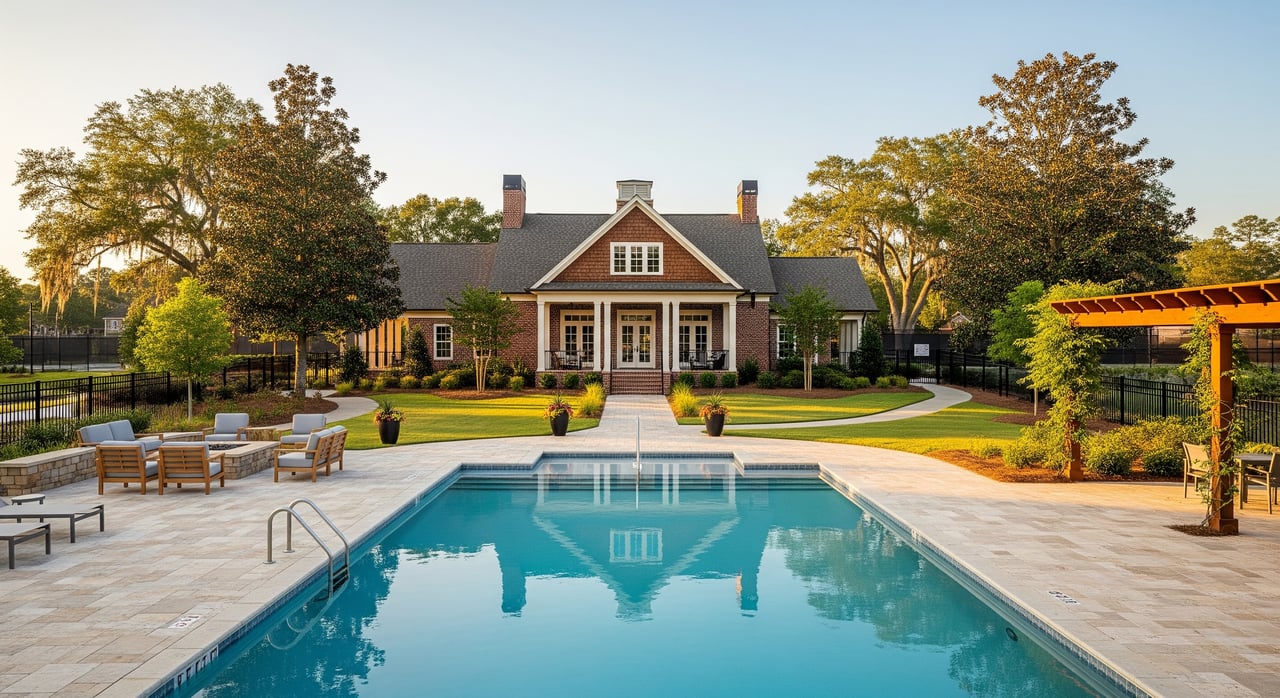
Curious what your HOA dues actually pay for in Sherwood? You are not alone. Many buyers love the idea of a pool or clubhouse, but want to understand the tradeoffs, rules, and long-term costs before making an offer. In this guide, you will learn which amenities Sherwood communities commonly include, how those features affect dues, what to review in the documents, and where to verify records locally. Let’s dive in.
Common HOA amenities in Sherwood
Recreation and gathering spaces
Many Sherwood communities offer shared places to relax and connect. You may see a clubhouse or community room for birthday parties and meetings. Outdoor, seasonal pools are common, sometimes with lifeguard rules and posted hours. Some neighborhoods include fitness rooms, sport courts, playgrounds, and small pocket parks.
These amenities are convenient, but they require ongoing upkeep. Pools need chemicals, cleaning, and periodic resurfacing. Clubhouses need utilities and maintenance. Fitness equipment has replacement cycles. All of that shows up in the HOA budget and dues.
Maintenance and curb appeal
Associations typically maintain entrances, landscaping, neighborhood signage, and irrigation for common areas. Many also handle street lighting and monument lighting at the front of the subdivision. In a few communities, the HOA may mow individual front yards or courtyards, though that varies by covenant.
Snow and ice services are less common in Central Arkansas but may be included in some planned communities. If streets are private, the HOA could also be responsible for asphalt repair and sealcoating, which becomes a future reserve expense.
Safety, utilities, and parking
Gated entries and staffed security are rare in Sherwood and usually come with higher fees. Some HOAs negotiate trash or recycling contracts or offer bulk rates for residents. Parking rules, guest spaces, and towing policies are often spelled out in the rules and regulations. Review those carefully if you have multiple vehicles or frequent visitors.
Governance and oversight
A professional management company can handle accounting, vendor contracts, and day-to-day operations. Other communities rely on a volunteer board. Most HOAs also have an architectural or design review process. You typically need approval before changing siding, paint colors, fences, or adding outbuildings. CC&Rs set standards for yard upkeep, signs, and other use rules.
What is bundled vs. extra
Some services are included in base dues, while others require a separate fee or opt-in. A tennis program, key fob access, or clubhouse rentals may be billed separately. Condo-style ownership differs from single-family HOAs, since exterior building insurance and certain maintenance items can be handled by the association.
How amenities affect dues and budgets
What drives HOA fees
- Operating costs: Pools, clubhouses, landscaping, and fitness rooms need routine funding for cleaning, utilities, and service vendors.
- Capital replacement: Assets like pools, roofs, playgrounds, and asphalt age out. HOAs build reserves to replace them later instead of spiking dues all at once.
- Management and insurance: Professional management, master insurance, legal, and accounting add to annual expenses.
- Scale and density: Larger associations spread fixed costs across more owners. Smaller HOAs can have higher per-home dues for the same amenities.
Reserves and special assessments
A strong reserve plan reduces surprise costs. A reserve study outlines major components, life cycles, and recommended annual funding. According to the Community Associations Institute, sound reserve planning is essential to financial health and can help minimize special assessments. You can learn more about reserve studies from CAI’s overview of reserve planning.
Even well-run HOAs may levy special assessments for storm damage or sudden failures. Communities with high-cost amenities carry more exposure if reserves are thin, so always review the latest funding balances and meeting minutes.
Insurance and your responsibilities
Many HOAs carry master policies for common areas. Condo-style properties may also insure building exteriors. You still need your own policy for interiors and contents. Ask for the master policy declarations and deductible details. In some cases, deductibles or certain costs may be passed to owners under the governing documents.
Lifestyle tradeoffs for Sherwood buyers
Benefits you will notice
- Convenience: You enjoy a pool, clubhouse, or greenways without handling the maintenance.
- Neighborhood standards: Consistent exteriors and yard care can support long-term property appeal.
- Community: Shared spaces and events encourage connection with neighbors.
Limitations to consider
- Rules: Exterior changes, parking, decorations, pets, and rentals are regulated.
- Recurring cost: Dues continue whether you use amenities or not.
- Governance: Board and management decisions may not always align with your preferences.
- Assessments and increases: Expensive amenities can lead to higher costs if reserves fall behind.
Local factors in Central Arkansas
Outdoor pools are seasonal, so think about how often you will use them. Hot, humid summers increase landscaping and pool operating costs, which you will see in budgets. Some higher-amenity communities may sit a bit farther from certain conveniences, so weigh commute times as part of your overall decision.
What to review before you make an offer
Documents checklist
Ask the seller, HOA, or management company for:
- CC&Rs, bylaws, and rules and regulations
- Current operating budget and recent financials (at least 12 months)
- Reserve study and reserve fund balances
- Assessment history, current dues, and any planned increases
- Board meeting minutes from the last 12 to 24 months
- Master insurance declarations and deductibles
- Management contract and contact information
- Pending litigation disclosures
- Rental and lease rules, parking policies, and enforcement procedures
- Any pending special assessments or approved capital projects
Key questions to ask
- What exactly do the dues cover each year?
- How much is in reserves, and when was the last reserve study?
- Any planned projects or repairs in the next 1 to 5 years?
- What is the process and timeline for exterior approvals?
- Are there rental limits, minimum lease lengths, or short-term rental rules?
- How are violations and fines handled?
- Who manages the HOA, and how are board elections conducted?
- What are the guest parking and towing rules?
Financing and closing checks
- Confirm with your lender that the HOA’s dues and documents meet underwriting needs, especially for condos.
- If you rely on government-backed financing for a condo-style property, ask your lender about any association approval requirements.
- Review the HOA estoppel or demand statement before closing so you know the exact dues, assessments, and any delinquencies tied to the property.
Where to verify local records
- Pulaski County Recorder/Clerk for recorded CC&Rs, plats, and deed records
- City of Sherwood Planning and Parks for public park maintenance vs. HOA-maintained spaces
- HOA or management company for budgets, minutes, reserve studies, and insurance certificates
- Community Associations Institute for best practices on financial health and reserve funding
- Arkansas Secretary of State for HOA corporate filings and registered agent details
Compare HOA vs. non-HOA living
If you are unsure whether an HOA fits your lifestyle, compare the monthly dues to what you would spend maintaining similar features on your own. A private pool, lawn care, clubhouse rentals, and fitness memberships can add up. On the other hand, if you value flexibility over rules or do not plan to use certain amenities, a non-HOA neighborhood might feel more practical. The right choice balances your daily needs, budget, and long-term plans.
Your next step in Sherwood
If a community has the amenities you want, take the time to review its documents and financials. Confirm what is included in the dues and the condition of big-ticket items like pools, roofs, and asphalt. Ask about reserves and any planned projects in the next few years.
Want clear guidance on a specific Sherwood neighborhood? Schedule a quick, no-pressure consult with Brooke Wheeler to review HOA documents, compare options, and move forward with confidence.
FAQs
What HOA amenities are most common in Sherwood?
- You will often see a seasonal pool, a clubhouse or community room, playgrounds, sport courts, landscaped entrances, and maintained common areas.
How do HOA amenities affect monthly dues in Sherwood?
- Amenities like pools, clubhouses, and fitness rooms increase operating costs and reserves, which raises dues; review the budget and reserve study to see the impact.
What is a reserve study, and why does it matter?
- A reserve study forecasts major replacements and sets a funding plan that helps minimize special assessments; see CAI’s reserve planning overview.
How can I confirm whether a park or trail is HOA-maintained or public?
- Check the recorded plats and CC&Rs, ask the HOA or manager, and verify with the City of Sherwood’s Parks or Planning departments.
Will an HOA affect my mortgage approval?
- Lenders review dues, financial health, and assessments; for condos, some programs have added requirements, so ask your lender early in the process.
Can I rent out my home in a Sherwood HOA?
- It depends on the CC&Rs; many HOAs set minimum lease lengths, caps, or short-term rental rules, so review rental policies before you buy.